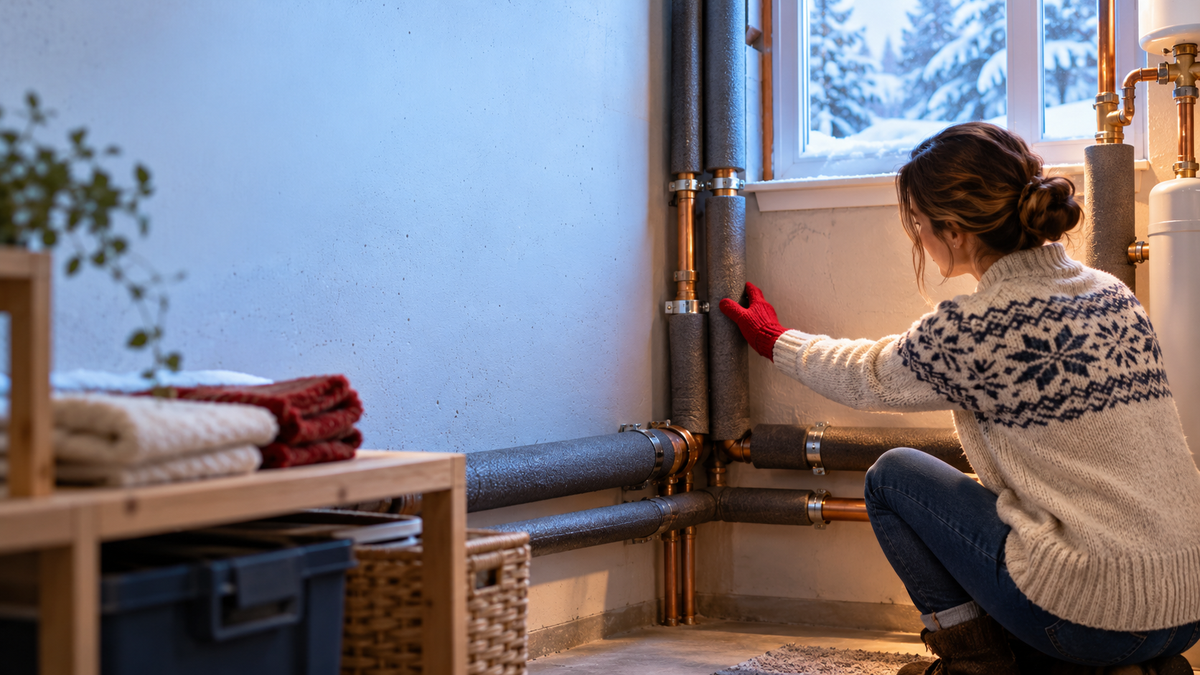
How to Keep Pipes From Freezing: A Winter Prep Checklist
SpartanShopper · October 28, 2026
A practical frozen-pipe prevention checklist: identify vulnerable plumbing, prepare before cold weather, and know when to call a qualified professional.
Disclosure: SpartanShopper may earn a commission on qualifying purchases through links in this guide. We choose products by practical fit and current listing evidence; prices, availability, and terms can change.
Frozen-pipe prevention is mostly about finding the places where plumbing is exposed to cold air before a hard freeze arrives. The useful goal is not a guarantee; it is reducing the chance that vulnerable pipes lose heat, recognizing a problem early, and knowing when a plumbing issue needs a professional.
Start with the vulnerable spots
Walk the parts of the home that are often colder than the living room: an unheated garage, crawlspace, basement, exterior wall, attic-adjacent area, or cabinets under sinks on an outside wall. Look for exposed pipes, gaps around pipe penetrations, disconnected outdoor hoses, and places where a cold draft reaches plumbing.
Before temperatures drop
- Disconnect and drain outdoor hoses if your local setup allows it, then follow the manufacturer or local utility guidance for outdoor faucets and irrigation equipment.
- Seal obvious air leaks near plumbing only with materials appropriate for that location. Keep clearance from heat sources and do not cover equipment that needs ventilation.
- Use insulation or a listed pipe-heating product only for the exact pipe material, location, and length its instructions permit. Electrical heat cable is not interchangeable across every plumbing setup.
- Locate the main water shutoff before an emergency. Everyone responsible for the home should know where it is and how to reach it safely.
During a cold snap
Keep indoor temperatures steady rather than allowing the home to become very cold while you are away. In areas with plumbing against an exterior wall, opening cabinet doors can improve circulation, but only where it does not create a child, pet, or cleaning-product hazard. Some utilities advise a small water flow in specific homes; follow local advice because plumbing layouts and water systems differ.
The American Red Cross winter-storm guidance also emphasizes protecting pipes and knowing how to shut off water before winter conditions arrive.
A product for a known exposed-pipe problem
Frost King HC6A Automatic Electric Heat Kit, 6 ft is a 6-foot automatic heat-cable kit. It makes sense only after measuring the run and checking that the current label and manual explicitly allow the pipe material and installation you have. Do not treat it as a substitute for correcting a leak, inadequate access, or a bigger insulation problem.
If a pipe may already be frozen
No water flow, frost on a pipe, unusual bulging, or a water stain can be reasons to stop and assess the situation. Do not use an open flame or improvised high-heat method on plumbing. If there is a leak, shut off water only if it is safe to do so and contact a qualified plumber or your local emergency service as appropriate. A burst pipe can keep leaking after temperatures rise.
The bottom line
The best winter prep is specific: identify exposed plumbing, fix drafts and access problems before the forecast becomes urgent, use only appropriately labeled products, and keep a clear plan for a suspected leak. That is more valuable than buying a generic “freeze kit” after the temperature has already dropped.
Get Exclusive Coupon Codes
Deals and discount codes delivered to your inbox. No spam.
Get a Free Healthy Snack Box
Gluten-free, sugar-free, better-for-you snacks. No purchase required.
Claim My Free BoxSponsored offer. No purchase necessary.